January 22, 2026
Thoughtful landscaping is far more than an aesthetic upgrade—it is a strategic investment in how your property looks, functions, and contributes to the surrounding environment. A well-designed landscape blends natural beauty with purposeful planning, creating outdoor spaces that are visually appealing, environmentally responsible, and highly usable. From the first impression your home makes at the curb to the quiet moments of relaxation enjoyed in a private garden, landscaping influences daily life in meaningful ways.
Beyond visual appeal, landscaping plays a vital role in sustainability, property value, and personal well-being. Strategic plant choices can reduce water consumption, support local wildlife, and improve air quality, while carefully planned layouts maximize usable space for recreation, entertaining, and relaxation. Landscaping also helps define how people interact with their outdoor environments, turning underused yards into functional extensions of the home. This article explores how intentional landscaping enhances curb appeal, increases property value, promotes environmental health, improves functionality, and supports mental and physical well-being—demonstrating why outdoor design is an essential component of a thriving, balanced lifestyle.
1. Enhancing Curb Appeal
Careful selection of plants can drastically improve the aesthetic appeal of a yard. By choosing a variety of blooms and foliage, homeowners can create visual interest throughout the seasons. Native plants that thrive in the local climate enhance the landscape's natural beauty while requiring less maintenance. Additionally, integrating plants with diverse textures and heights creates depth and dimension in the garden. An attractive plant selection serves as a lively invitation to any dwelling, showcasing the homeowner's taste and the property's vibrancy.
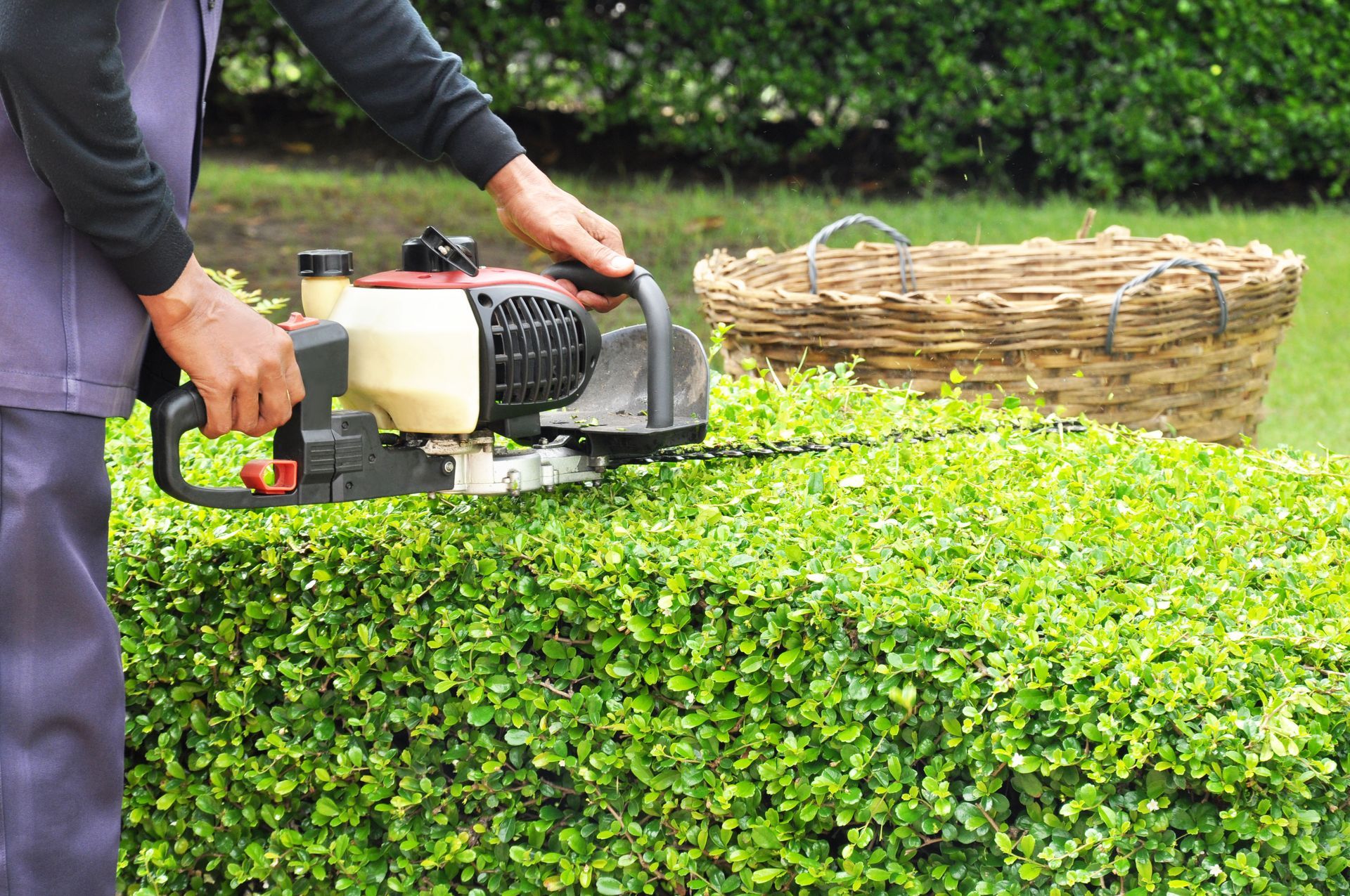
A well-maintained lawn is often the cornerstone of curb appeal. Strategically designed lawns not only look appealing but also provide a practical space for activities. Regular maintenance, such as mowing, aeration, and fertilizing, ensures a healthy lawn that complements the overall landscape design. Moreover, incorporating pathways and edging can enhance the lawn's structure, making it visually neat and inviting. With sustained upkeep, lawns contribute to a yard's allure and functionality, making them critical to landscaping success.
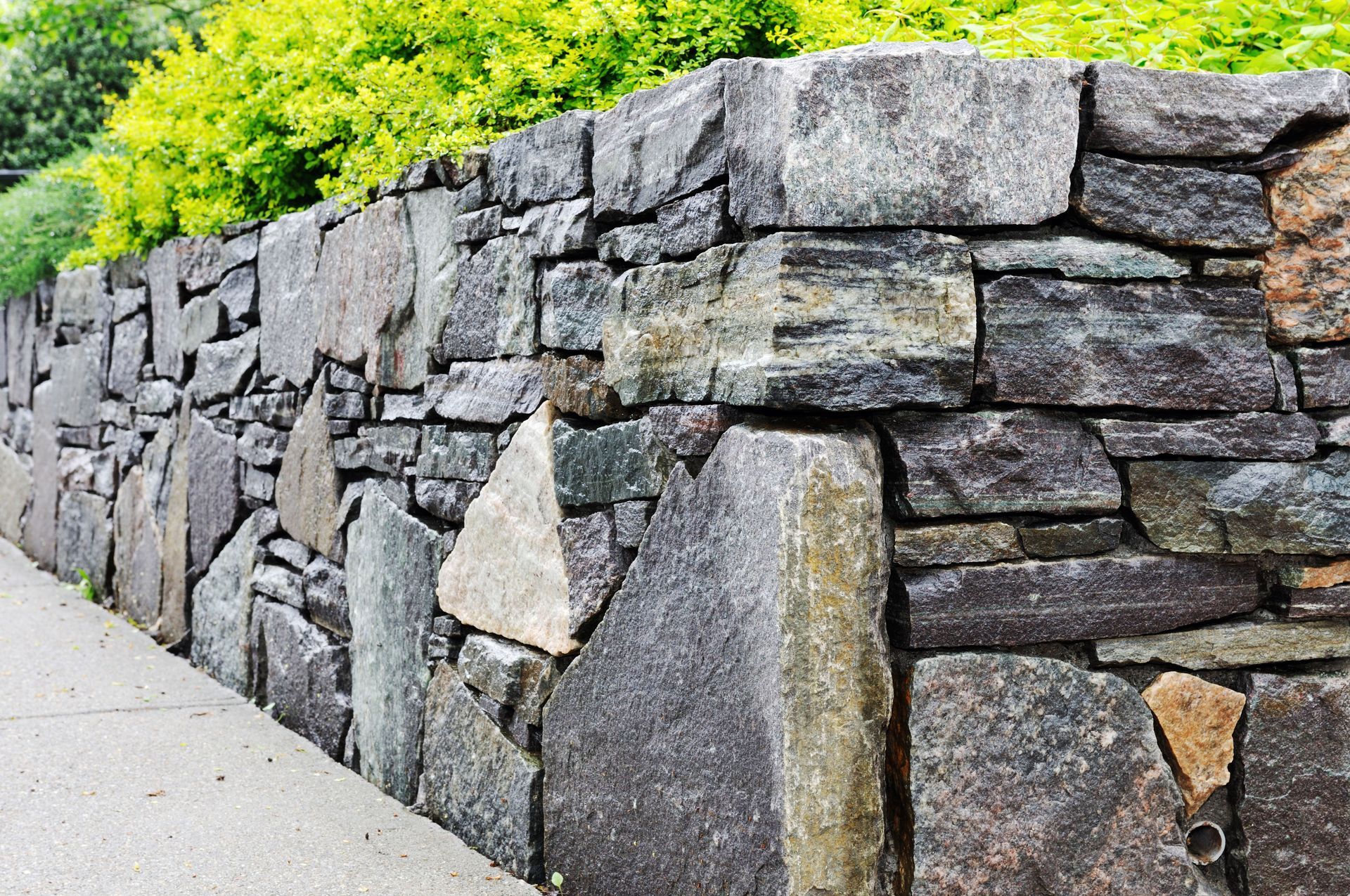
Hardscaping integrates non-plant elements like pathways, walls, and patios into the landscape design. These features provide structure, organization, and accessibility, adding to curb appeal. Incorporating various materials such as stone, brick, and wood creates an eclectic yet harmonious appearance that complements natural elements. Hardscaping also minimizes maintenance by defining living spaces and controlling plant growth. Therefore, thoughtfully designed hardscaping can elevate a yard's appearance and utility significantly.
Capitalizing on seasonal color variations keeps the landscape dynamic and visually interesting. By rotating blooms according to season, homeowners maintain a vibrant and lively yard year-round. This approach also encourages eco-friendly gardening through seasonal planting and crop rotation practices. Different colors at different times contribute to a feeling of novelty and transformation, enhancing the emotional connection to the yard. Seasonal variation ensures that there is always something new to admire, offering continuous visual pleasure.
Lighting and accents serve as the finishing touches in landscape design. Effective lighting not only enhances aesthetic appeal at night but also increases safety and usability. Accents such as sculptures, fountains, or benches provide focal points that draw the eye and contribute to a yard's uniqueness. Solar lighting is an eco-friendly option that harnesses natural energy while illuminating the landscape beautifully. Combined, lighting and accents create an ambiance that invites relaxation and enjoyment in the outdoor space.
2. Increasing Property Value
Investing in professional landscaping can greatly increase a property's market value. Skilled landscapers craft unique designs that are both aesthetically pleasing and functional. According to Workyard, well-designed outdoor spaces may raise a property’s value by 5.5% to 12.7%, with potential buyers often willing to pay a premium for meticulously designed yards. Professional landscaping can include anything from elaborate garden arrangements to strategically designed patios, ensuring high returns when selling. Therefore, an investment in professional landscaping is a sound financial decision.
The exterior of a home is often the first impression potential buyers have. A well-maintained and thoughtfully designed outdoor space can set the tone for the entire property. Lush gardens, manicured lawns, and inviting patios serve to captivate potential buyers from the outset. This positive first impression can translate into higher offers and a quicker sale. Thus, a focus on curb appeal and neatness is instrumental in attracting serious buyers.
Integrating sustainable solutions into landscaping can enhance the property's appeal to environmentally-conscious buyers. Practices such as xeriscaping, rainwater harvesting, and organic gardening demonstrate a commitment to environmental stewardship. Sustainable yard solutions not only lower maintenance costs but also align with contemporary ecological values, adding marketability to the property. These practices can attract a more discerning clientele that values sustainability. Consequently, incorporating green solutions in the landscape design offers both immediate benefits and long-term investment potential.
3. Promoting Environmental Benefits
Utilizing native plants in landscaping enhances ecological harmony and sustainability. Native species are ideally adapted to the local climate, making them resistant to disease and pests, thereby reducing the need for chemical interventions. By cultivating native plants, homeowners contribute to local biodiversity, supporting habitats for insects, birds, and other wildlife. This practice also conserves water resources, as native plants generally require less irrigation. Thus, native plantings are a sustainable approach that promotes environmental health.
Well-planned landscaping can create vital habitats for urban wildlife, including birds, butterflies, and beneficial insects. By incorporating a mix of trees, shrubs, and flowers, yards can become sanctuaries for various species. These micro-habitats assist in biodiversity conservation, providing food, shelter, and breeding grounds for wildlife. To maximize impact, homeowners can install birdfeeders, bat boxes, or bee hotels. Consequently, a thoughtfully landscaped yard contributes to a thriving ecosystem and diverse urban wildlife population.
Landscaping can significantly improve air quality by filtering pollutants and providing oxygen. Trees and shrubs absorb carbon dioxide and release oxygen, serving as natural air purifiers. Incorporating more trees and plants into the landscape design minimizes air pollutants, contributing to cleaner, fresher air in neighborhoods. This not only benefits the environment but also promotes healthier living conditions. Therefore, by emphasizing plant density, homeowners enhance both environmental quality and personal well-being.
Thoughtful landscaping transforms a yard into far more than a simple outdoor area—it becomes a true extension of the home that enhances beauty, functionality, and long-term value. A well-planned landscape design brings together plant selection, hardscaping elements, lighting, and seasonal variation to create a cohesive and welcoming environment. From lush greenery and colorful blooms to defined walkways, patios, and accent features, each component plays a role in shaping how the space looks and feels. Together, these elements elevate curb appeal, create a strong first impression, and make the property more inviting to both residents and visitors. Beyond aesthetics, these upgrades can significantly increase property value, making landscaping a practical investment as well as an enjoyable one.
Landscaping also has a profound impact on personal well-being and daily quality of life. Thoughtfully designed outdoor spaces encourage people to spend more time outside, whether that means relaxing on a shaded patio, gardening, or enjoying meals with family and friends. Functional layouts that include walking paths, open lawns, or designated activity zones promote physical movement and recreation. Exposure to natural elements—such as greenery, fresh air, and natural light—has been shown to reduce stress, improve mood, and enhance overall mental health. Even small details, like calming water features or quiet garden corners, can create restorative spaces that offer a break from the demands of everyday life. Contact Primm's Landscaping LLC to learn more about landscape design today!